Comprehensive Guide to Udaipur and its Tourism
Introduction: The Romantic Heart of Mewar
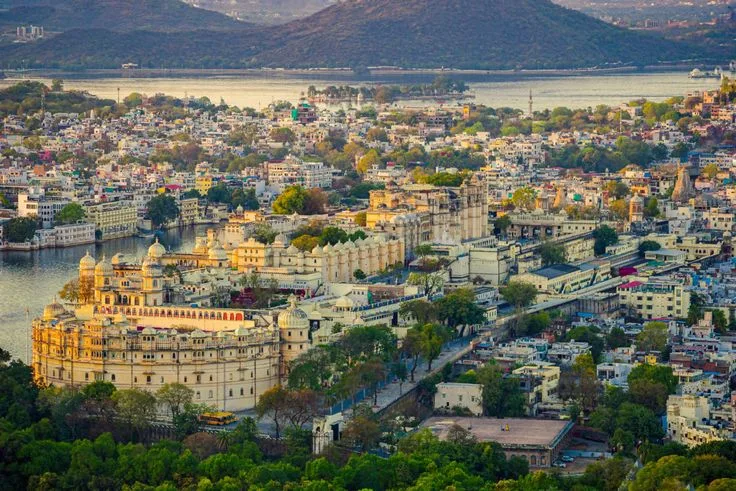
Udaipur, widely celebrated as the "Venice of the East" and the "City of Lakes," stands as an extraordinary tribute to the resilience, architectural genius, and romance of the Mewar Dynasty. Founded in 1559 by Maharana Udai Singh II, the city was strategically built as the new capital of the Mewar kingdom following the continuous military sieges of their previous stronghold at Chittorgarh.
Nestled within a natural mountain bowl and guarded by the ancient Aravalli Range, the city was deliberately engineered around a highly complex, interconnected network of artificial lakes. This masterfully balanced local water scarcity with incredible defensive advantages. Over the centuries, these blue waters and whitewashed lakeside palaces transformed Udaipur into one of the most romantic, visually arresting destinations in the world.
For your travel company, bbglobalevents.com, Udaipur represents a foundational pillar for specialized travel products. Its spectacular blend of historic architecture and natural beauty makes it a highly profitable asset for marketing ultra-luxury heritage tours, peaceful wellness retreats, and world-class destination weddings.
The Palace Core: Royal Grandeur along Lake Pichola
The historic and visual identity of Udaipur centers completely around the sweeping banks of Lake Pichola. Rising majestically along its eastern shoreline is the City Palace, the largest palace complex in the state of Rajasthan. Rather than being built all at once, this massive structure grew over four centuries as consecutive Maharanas added new courtyards, towers, and residential wings to the original foundations.

Stepping inside this white granite and marble palace reveals a rich maze of narrow corridors and steep staircases, designed intentionally to confuse medieval invaders. Visitors move seamlessly between spectacular rooms like the Mor Chowk, which displays brilliant, three-dimensional glass mosaics of peacocks, and the Kanch ki Burj, a room covered completely in exquisite red and gold mirror-work. The palace also houses an expansive royal museum featuring collections of armor, historic photographs, and royal transport carriages, giving travelers an authentic look into the daily lives of India’s longest-running royal lineage.
Glancing out from the palace balconies reveals Udaipur's most magical characteristic: its floating architectural wonders. Tucked beautifully into the center of Lake Pichola sits the Taj Lake Palace, originally known as Jag Niwas. Built in 1746 as a summer retreat for the royal court, this white-marble palace covers a four-acre island, creating the striking visual illusion of floating directly on the water's surface.
Further down the lake sits Jag Mandir, another historic island palace constructed out of yellow sandstone and marble. Guarded by a row of life-sized carved stone elephants at its water gates, Jag Mandir holds an important place in history. In 1623, it served as a safe sanctuary for the Mughal Prince Khurram during his rebellion against his father. The beautiful marble craftsmanship of this island retreat deeply impressed the young prince, later serving as a primary stylistic inspiration when he took the throne as Emperor Shah Jahan and built the world-famous Taj Mahal.
Beyond the Waters: Scenic Valleys and Artistic Haveli Museums
Udaipur’s cultural and architectural wonders extend well past its central lake banks into its green valleys and historic alleyways. A short distance north of the old city grid lies Fateh Sagar Lake, a highly scenic, pear-shaped body of water connected to Lake Pichola by a narrow canal. This lake features three small islands, one of which hosts the Udaipur Solar Observatory, while the surrounding roads function as a popular evening social hub for locals and tourists who gather to enjoy street food and scenic walks along the shoreline.
Near the city center sits Saheliyon-ki-Bari, or the "Garden of the Maids." Designed by Maharana Sangram Singh in the early 18th century, this historic green space was built as a quiet retreat for a group of forty-eight young royal maids who accompanied a Mewar princess as part of her dowry. The garden is highly praised for its advanced engineering, featuring white-marble fountains, carved pools, and artificial rain simulators that run entirely on natural water pressure from Fateh Sagar Lake without using any electrical pumps.
For travelers seeking a look into the rich artistic traditions of the region, Bagore-ki-Haveli offers an invaluable cultural experience. Located right along the historic waterfront at Gangaur Ghat, this expansive 18th-century mansion features over a hundred rooms decorated with traditional Mewari frescoes and fine mirror-work.
In the evenings, the haveli’s central courtyard transforms into a high-energy stage for the Dharohar Folk Dance Festival. This popular event showcases regional artists performing daring stunts, such as balancing multiple clay pots on their heads while dancing across broken glass, making it a high-priority addition for any cultural travel package.
To round out the sightseeing experience, a trip up the steep winding mountain roads leads to the Sajjangarh Monsoon Palace. Perched high on a ridge in the Aravalli hills, this hilltop palace was originally built to observe monsoon clouds and track weather shifts. Today, its high terraces provide panoramic views of Udaipur's lakes and countryside, serving as the absolute premier spot for professional sunset photography.
Living Traditions: Mewari Culinary Delights and Artisan Craft Hubs
An authentic tour of Udaipur goes beyond historical architecture into its rich culinary arts and traditional craft industries. Because of Mewar's historic military background, the local cuisine evolved around rich, hearty dishes designed to sustain soldiers through long campaigns. The foundation of local dining is Mewari Egg Curry, a rich, deeply spiced curry unique to the city's street food scene, alongside Safed Maas, a rich lamb dish cooked in a creamy white sauce made from cashews, yogurt, fresh cream, and delicate whole spices.
For vegetarian travelers, the city offers traditional desert delicacies like Ker Sangri, made from wild desert berries and beans, paired with fresh Daal Baati Churma. Visitors also line up at old city sweetshops for Dil Khushal, a traditional Mewari sweet made of roasted gram flour, clarified butter (ghee), and sweet sugar syrup infused with fresh cardamoms.
Complementing this rich food culture is Udaipur’s status as a world-class hub for fine arts, particularly Mewari Miniature Painting. In small family art studios near the Jagdish Temple, master painters use fine, single-hair brushes to paint incredibly detailed scenes of royal processions, wildlife, and court life onto small sheets of silk, marble, and handmade paper.
The city is also famous for Shilpgram, a sprawling living ethnographic museum located just outside the main urban center. This cultural village features authentic, full-scale replicas of traditional tribal huts from Rajasthan, Gujarat, and Maharashtra. It serves as a vital platform for rural craftspeople, who demonstrate traditional pottery making, leather weaving, and metalwork, making it a spectacular interactive excursion for international tour groups.
Operational Blueprints for Travel Operators
For your destination management platform, bbglobalevents.com, planning an itinerary for Udaipur requires a strategic approach to local transport and activity scheduling to guarantee a seamless, high-end guest experience. While some operators try to condense the city into a brief stopover, a 2.5 to 3-day overnight itinerary is highly recommended.
This extended stay allows you to stagger activities comfortably, scheduling palace walks during the cooler morning hours, while reserving late afternoons for sunset boat cruises on Lake Pichola or guided shopping tours through the old city bazaars. It also gives you the operational flexibility to offer premium add-on experiences, such as private lakeside dynamic dinners with views of the illuminated floating palaces, or organized day excursions to the massive fortresses of Kumbhalgarh and Ranakpur located nearby.
Logistically, the city is very accessible. Maharana Pratap Airport (UDR) handles frequent, reliable daily domestic flights from major hubs like New Delhi, Mumbai, and Jaipur. The city's main railway station is also a major stop for comfortable express trains, including the Mewar Express, which offers a smooth overnight connection from New Delhi.
Within the old walled city, streets can be exceptionally narrow and hilly, making large commercial tour buses difficult to maneuver. To guarantee maximum comfort for your groups, it is highly recommended to use compact, air-conditioned luxury mini-buses for transfers, while relying on private auto-rickshaws or specialized boat ferries for short trips between lakeside monuments. By combining smooth transit logistics with early morning tours and authentic dining experiences, your company can consistently deliver an elegant, comfortable, and memorable heritage holiday.